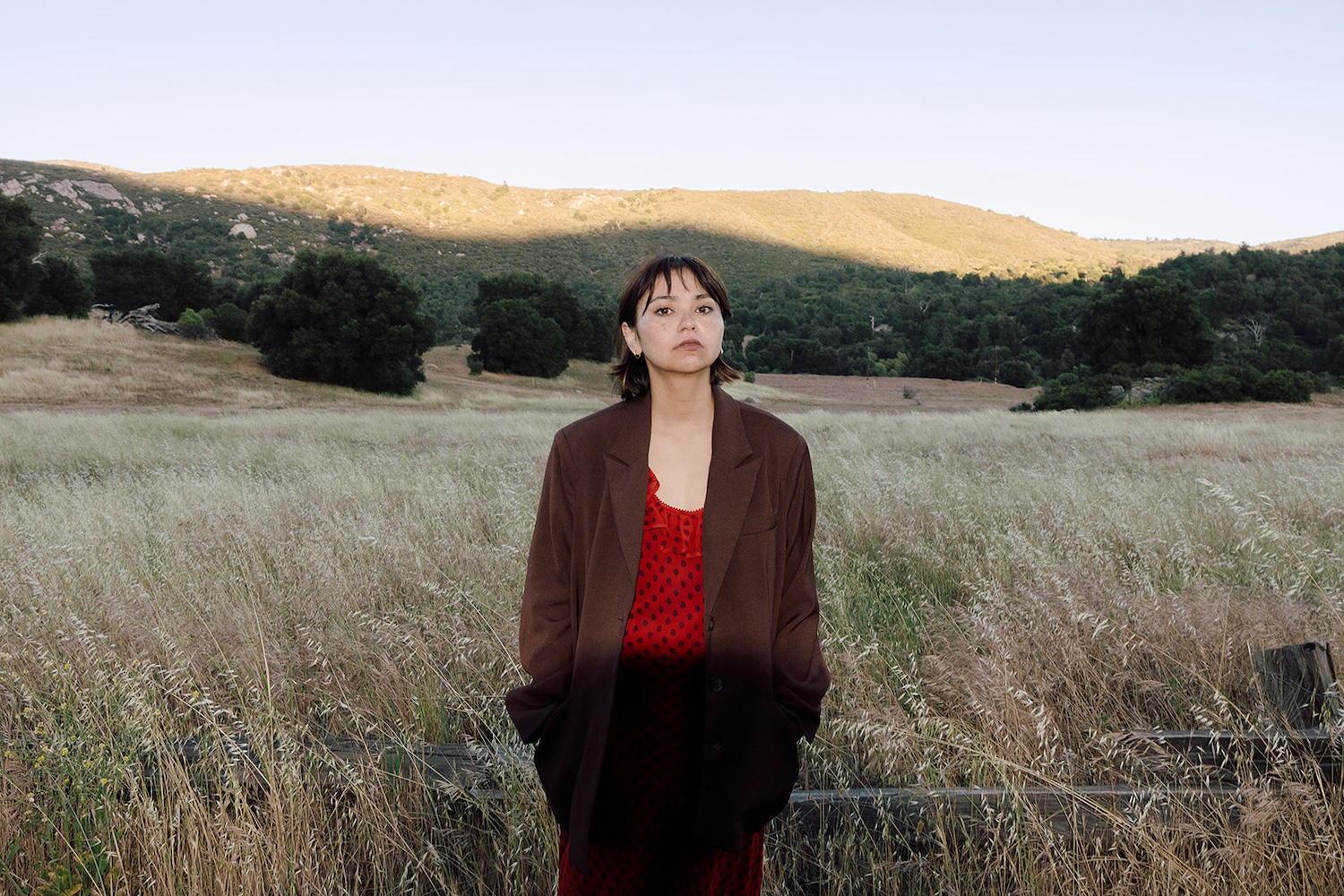
Hey Aly, thanks for taking the time to talk to us today. Could you tell us a little known fact about yourself?
Thanks for having me! Unfortunately I’m the kind of person that is very un-mysterious. I’m very free with my opinions all the time. Hmm. The thing that comes to mind is that I hate sparkling water, but I think people may know that about me.
Congratulations on the release of your debut album, Where It All Goes. This title immediately puts listeners in a reflective, almost philosophical, mindset, so what does it mean to you?
Thanks so much. I was writing this record coming out of the worst year of my life, when my husband and I had lost people and were questioning core belief systems, and reeling from the aftermath. I was thinking alot about my family or origin and my mom and thinking of going back to therapy but didn’t know what to work on or what to say. It felt like a mountain of complexity I had no names for. In the midst of all this, I wrote “Mother’s Daughter” and just started writing song after song as a means of expression. A key moment was when I was talking to my friend Haley and said the phrase out loud “I’m trying to figure out where it all goes” – and had the distinct thought that this was exactly what I was trying to communicate to myself, and therefore this new piece of art I was working on.
At the core of this record are the women of your family, so what motivated you to write about them, especially through the lens of generational trauma and healing?
This record is about the women in my family, generational trauma, healing, and the female experience. It’s been interesting over the last few years witnessing the culture wars debate female personhood and identity while living it out in my body, and watching my family and friends live theirs out (or not). I was thinking a lot about the women in my family and how their choices led them down different paths. So many women spend their lives making themselves small in service to others or an idea. I’ve thought a lot about my mother-in-law, the peacekeeper she was and the price she paid for it. I’ve been thinking about friends I grew up with, cousins, aunties and my lola, and my own immigrant mother and the darkness she stills carries. I’ve been thinking a lot about my childhood and the complex relationship we have, and have recognized that people are a mixed bag of intentions and history, often imposed on them without their consent. Through therapy and experience I’ve recognized that I can love her and be present to her own trauma while also wishing things were different for me. If anything, it’s a record about being committed to telling the truth of my experience, which is a value I’ve had since the beginning of my career. Truth telling and naming the dark parts bring healing.
Did you find the songwriting process to be like a form of self-therapy and were there any especially therapeutic albums or songs that inspired you?
Listening to Laura Marling’s record “Patterns In Repeat” was hugely influential. The lullaby, lush nature of it was something I think I also took to my record, and her songwriting has a grounded-ness that I really admire and try to emulate in general. I was also listening to a lot of Grizzly Bear, the “Yellow House” record’s textures really inspired me to be as live as possible for my LP.
Of all the album tracks, which song was the most challenging to write, and why?
The title track was the hardest for me to write. I had the title and the subject before any lyrical content. I didn’t want this to be a psychology textbook about generational trauma, but I knew the idea was this: if you deal with your darkness, your healing affects everything. If you don’t deal with it, your darkness affects everything. My producer Julianna saved the day and helped me finish it, and we wrote one of my favorite melodic lines of the album.
What do you hope that listeners will take away from these songs? What’s next for the project?
I hope this doesn’t sound super high-minded, but I really don’t like imposing what I think people should take from a piece of art. It’s in the people’s hands when they listen, and their experiences color and saturate the piece for themselves. That being said, if anything, I wrote this thinking about the creative brown girl that feels like an oddball in her family and wondering if there’s space for her and her art. I have a huge soft spot for those people and will spend the rest of my career in some shape or form writing and building a platform for her.
Follow Aly Rowell on Instagram.

